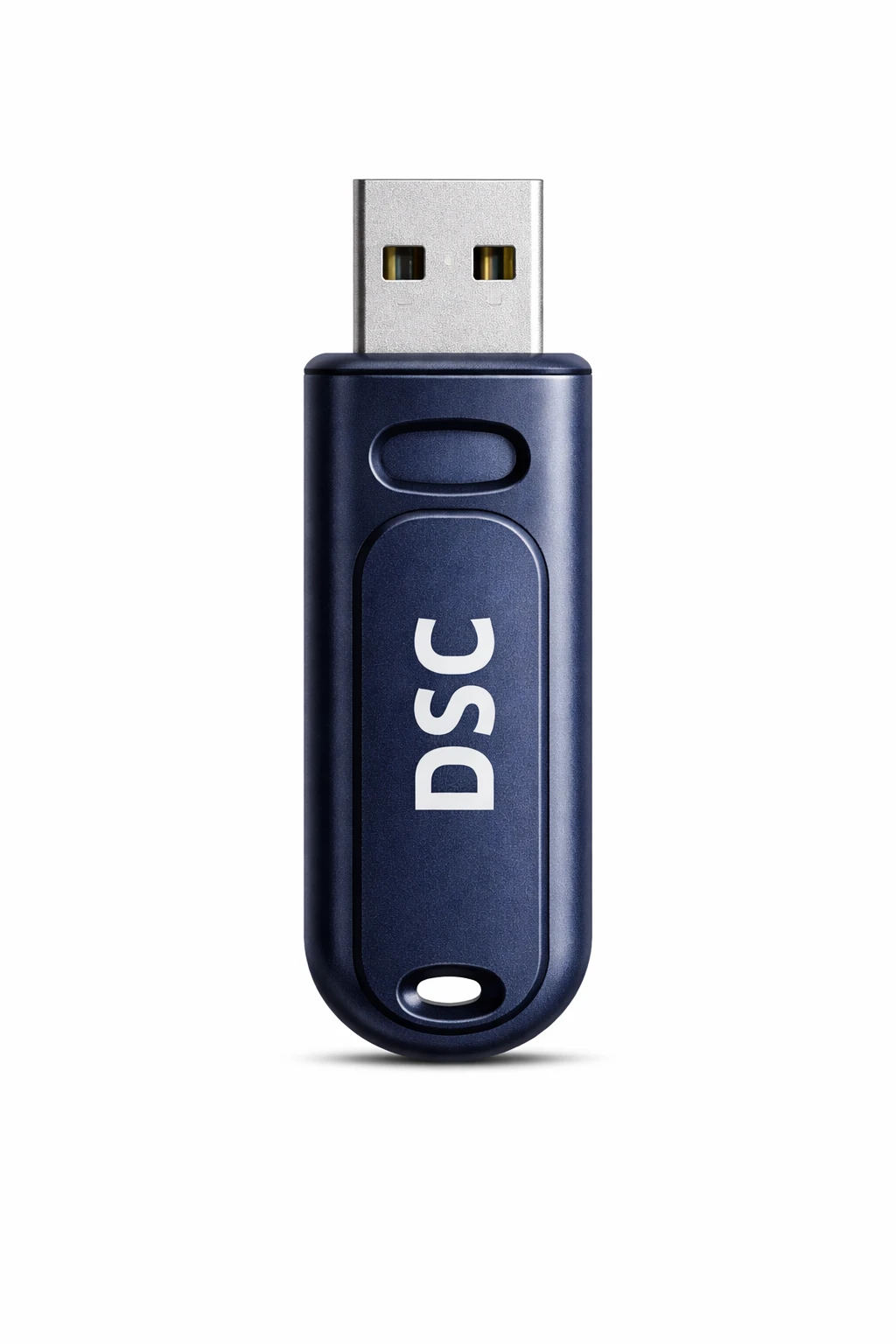
Digital Signature Certificate
What are Digital Signatures?
A Digital Signature is a secure form of Electronic Signature (e-Signature) that provides a unique digital identity to the signer of a document. It is legally recognized and widely used for authenticating electronic records and transactions.
A valid Digital Signature ensures that:
- The document was signed by the authorized signer.
- The contents of the document have not been altered or tampered with after signing.
Digital Signatures function through Public Key Infrastructure (PKI) technology, supported by Digital Certificates and secure timestamps. This framework guarantees data integrity, authentication, and global legal acceptance of electronically signed documents.
Digital Certificates operate on cryptographic systems using:
- Public Key – Available to others for verification
- Private Key – Known only to the certificate holder
These certificates are issued by trusted third-party authorities known as Certifying Authorities (CAs), who validate and authenticate the identity of the applicant before issuance.
Information Contained in a Digital Certificate
A Digital Certificate typically includes:
- Name of the Certificate Holder
- Organization / Department Name
- IP Address or Device Serial Number
- Public Key of the Holder
- Certificate Validity Period
- Authorized Domain Name (for web certificates)
Benefits of Digital Certification
Digital Certificates play a critical role in modern cybersecurity and electronic governance. Key benefits include:
- Security - Ensures confidentiality of communications and protects data integrity from unauthorized access.
- Authentication - Verifies the identity of users, organizations, or websites, ensuring communication with legitimate entities only.
- Scalability - Can be deployed across multiple platforms, devices, and organizational systems with centralized management.
- Reliability - Issued only by licensed and verified Certifying Authorities, making them highly trustworthy and difficult to forge.
- Public Trust - Enhances credibility of websites, documents, and digital communications, assuring users of authenticity and data protection.
Different Types of Digital Certificates
a. TLS/SSL Certificates
Used to secure communication between web browsers and servers. These certificates enable HTTPS encryption, ensuring safe data transfer on websites.
Types include:
- Domain Validated (DV)
- Organization Validated (OV)
- Extended Validation (EV) – Highest level of authentication
b. Client Certificates
These function as digital IDs for users or devices and are used for:
- Secure database access
- Internal organizational communications
- Encrypted email systems (e.g., S/MIME)
They ensure that only authorized users gain access to protected systems.
c. Code Signing Certificates
Used by software developers and publishers to digitally sign applications, software, and executable files.
This assures users that:
- The software is authentic
- The publisher is verified
- The code has not been tampered with
Where Digital Certificates are used
Digital Certificates are widely implemented across digital ecosystems, including:
- Websites & Web Security - Enable HTTPS encryption and verify website authenticity through trusted Certifying Authorities.
- E-Commerce & Online Transactions - Protect sensitive financial and personal data in online shopping, banking, stock trading, and payment gateways.
- Email Security - Used for encrypted email communication and digital signatures to ensure message integrity and sender authentication.
- Financial & Government Systems - Facilitate secure digital filings, e-tenders, e-procurement, and statutory compliance portals.